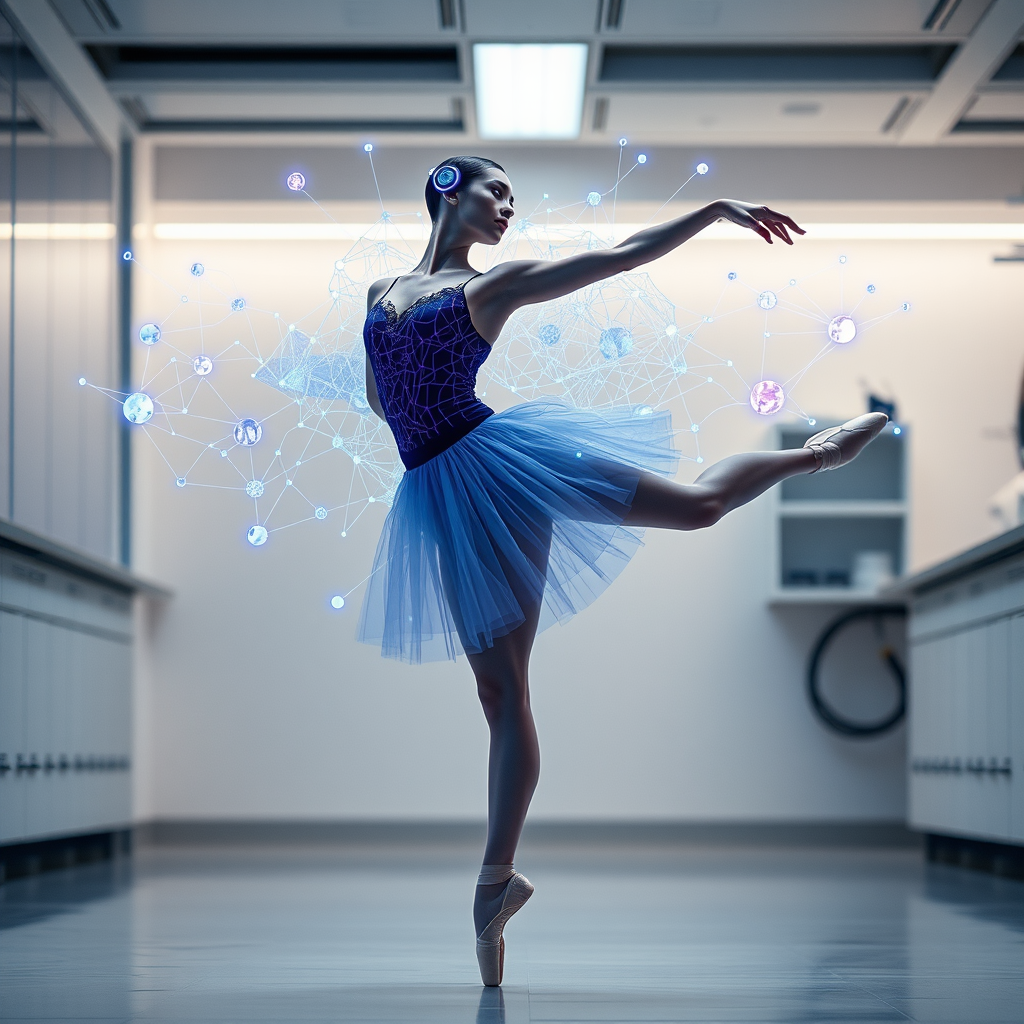
In the convergence of neuroscience and artistic expression, researchers are pioneering revolutionary brain-computer interfaces that could fundamentally transform how choreographers create and dancers perform. This cutting-edge field of neural choreography represents a quantum leap in intent-driven visuals and movement generation.
The Neural-Movement Connection
Recent breakthroughs in electroencephalography (EEG) and functional magnetic resonance imaging (fMRI) have revealed intricate patterns in how our brains conceptualize and generate movement. Dr. Elena Vasquez at the Institute for Cognitive Motion Studies explains: "We've discovered that when choreographers visualize dance sequences, their neural activity creates distinct signatures that can be decoded and translated into precise movement instructions."
This research builds upon decades of motor cortex mapping, where scientists have identified specific brain regions responsible for different types of movement planning and execution. The breakthrough lies in recognizing that creative movement ideation produces measurably different neural patterns than simple motor commands.
Technology Behind the Magic
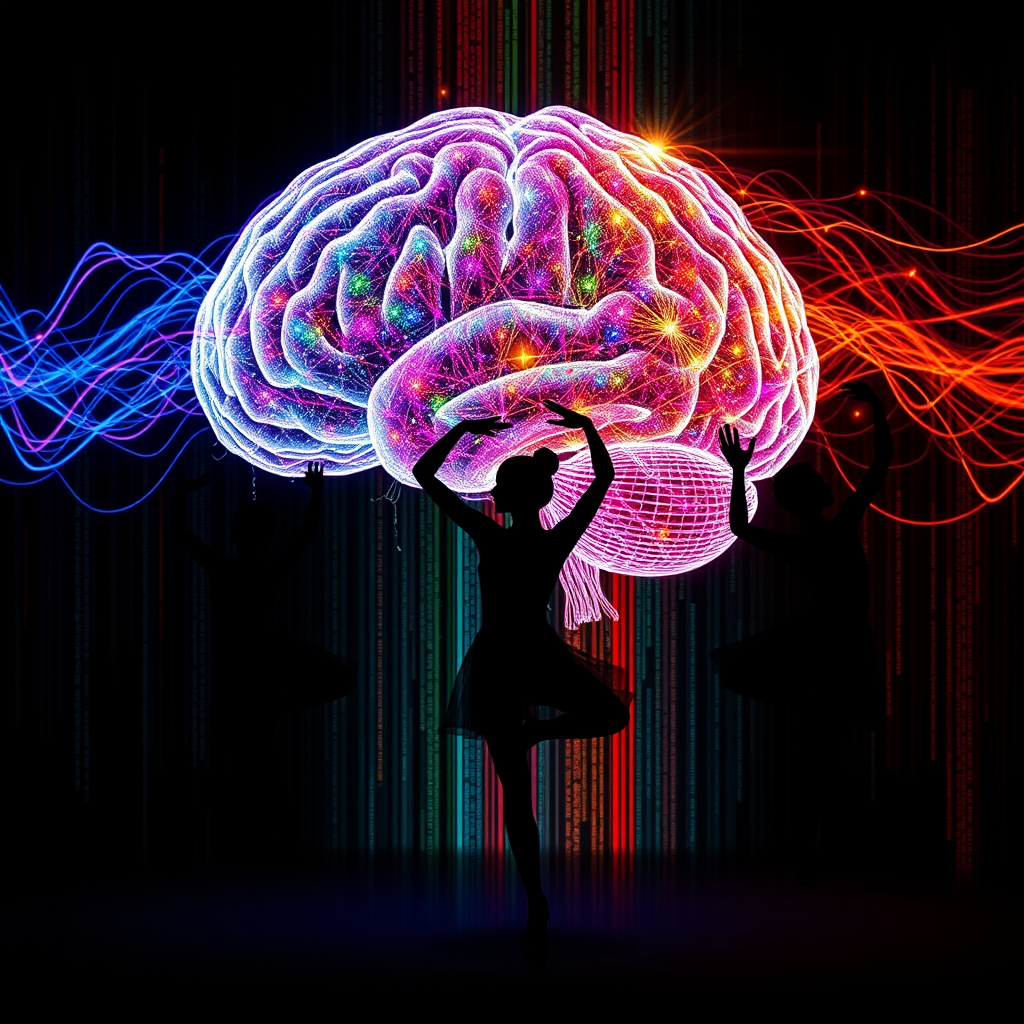
The current generation of brain-computer interfaces utilizes high-density EEG arrays capable of capturing neural signals with unprecedented precision. These systems, combined with advanced machine learning algorithms, can interpret complex cognitive states and translate them into actionable movement data. The technology resembles the sophisticated AI tools found in platforms like RunwayML, but instead of generating visual content, it creates kinesthetic instructions.
The process involves three critical stages: signal acquisition, pattern recognition, and movement synthesis. During signal acquisition, specialized sensors detect minute electrical changes in the brain's motor and creative regions. Pattern recognition algorithms, trained on thousands of hours of choreographer brain activity, identify specific neural signatures associated with different movement concepts. Finally, movement synthesis translates these patterns into precise choreographic instructions.
Silent Creation in Action
The concept of silent creation represents perhaps the most profound aspect of this research. Choreographers can now compose entire dance sequences through pure thought, without physical demonstration or verbal instruction. This cinematic abstraction of the creative process allows for unprecedented artistic exploration, where the boundaries between imagination and reality dissolve.
Early trials have shown remarkable results. Master choreographer Maria Santos, participating in beta testing, successfully created a 15-minute contemporary piece entirely through neural interface. "The experience was transcendent," she reports. "I could feel the dance flowing directly from my consciousness into digital form, bypassing all physical limitations."
Implications for the Future
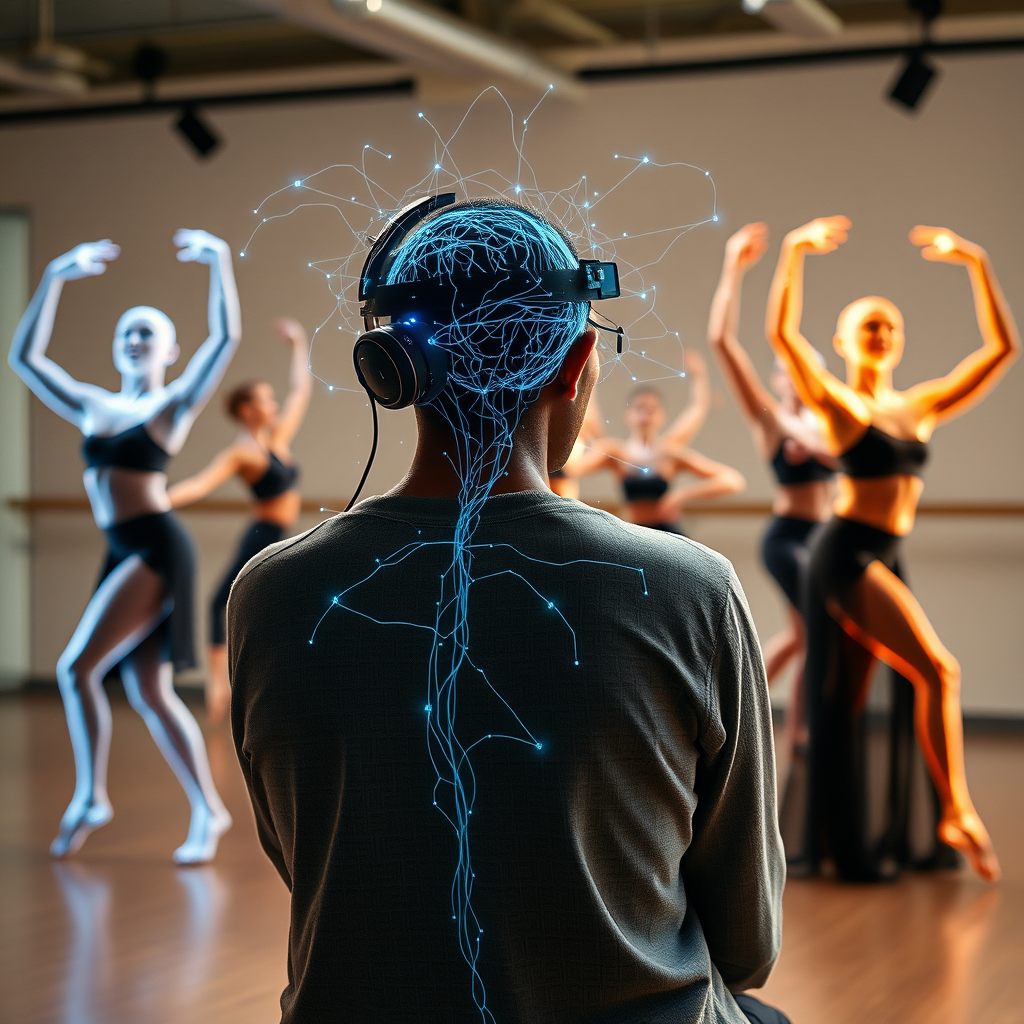
The implications of neural choreography extend far beyond traditional dance. Physical therapy applications could revolutionize rehabilitation by allowing patients to practice movements mentally before attempting them physically. Sports training could incorporate cognitive rehearsal at an unprecedented level of precision. Even virtual reality experiences could benefit from more intuitive, thought-based movement generation.
The technology also raises fascinating questions about the nature of creativity itself. If thoughts can be directly translated into movement, what does this mean for artistic authorship? How do we preserve the human element in an increasingly digitized creative landscape? These philosophical considerations will undoubtedly shape the development and adoption of neural choreography systems.
Current Limitations and Challenges
Despite remarkable progress, significant challenges remain. Current systems require extensive calibration periods, sometimes lasting several weeks, to accurately interpret individual neural patterns. The technology also struggles with complex emotional nuances that experienced choreographers naturally embed in their work. Signal noise and interference can disrupt the translation process, leading to movement artifacts that don't reflect the creator's true intent.
Additionally, the current generation of neural interfaces requires users to maintain intense focus and mental clarity, which can be mentally exhausting during extended creative sessions. Researchers are working on more intuitive systems that can operate with natural, relaxed thought patterns.
The Road Ahead
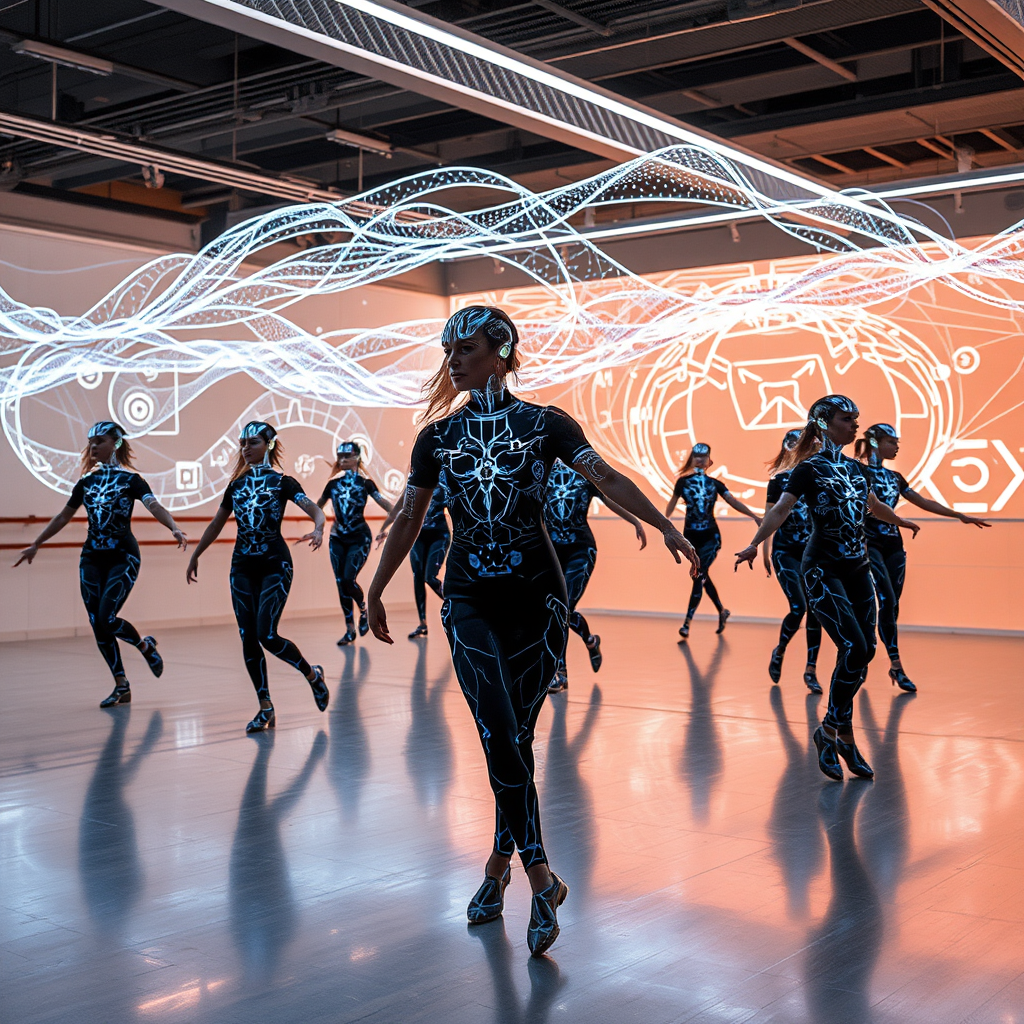
As we advance into 2025, the field of neural choreography stands at a critical juncture. Major technology companies are investing heavily in brain-computer interface research, while dance institutions worldwide are establishing neural choreography programs. The convergence of AI platforms like Runway AI with neural interface technology promises even more sophisticated creative tools.
The next decade will likely see the emergence of hybrid creative processes, where human intuition and artificial intelligence collaborate in unprecedented ways. Neural choreography represents just the beginning of a broader transformation in how we understand and harness the creative potential of the human mind.
Research continues at leading institutions worldwide, pushing the boundaries of neural choreography and intent-driven creative expression.