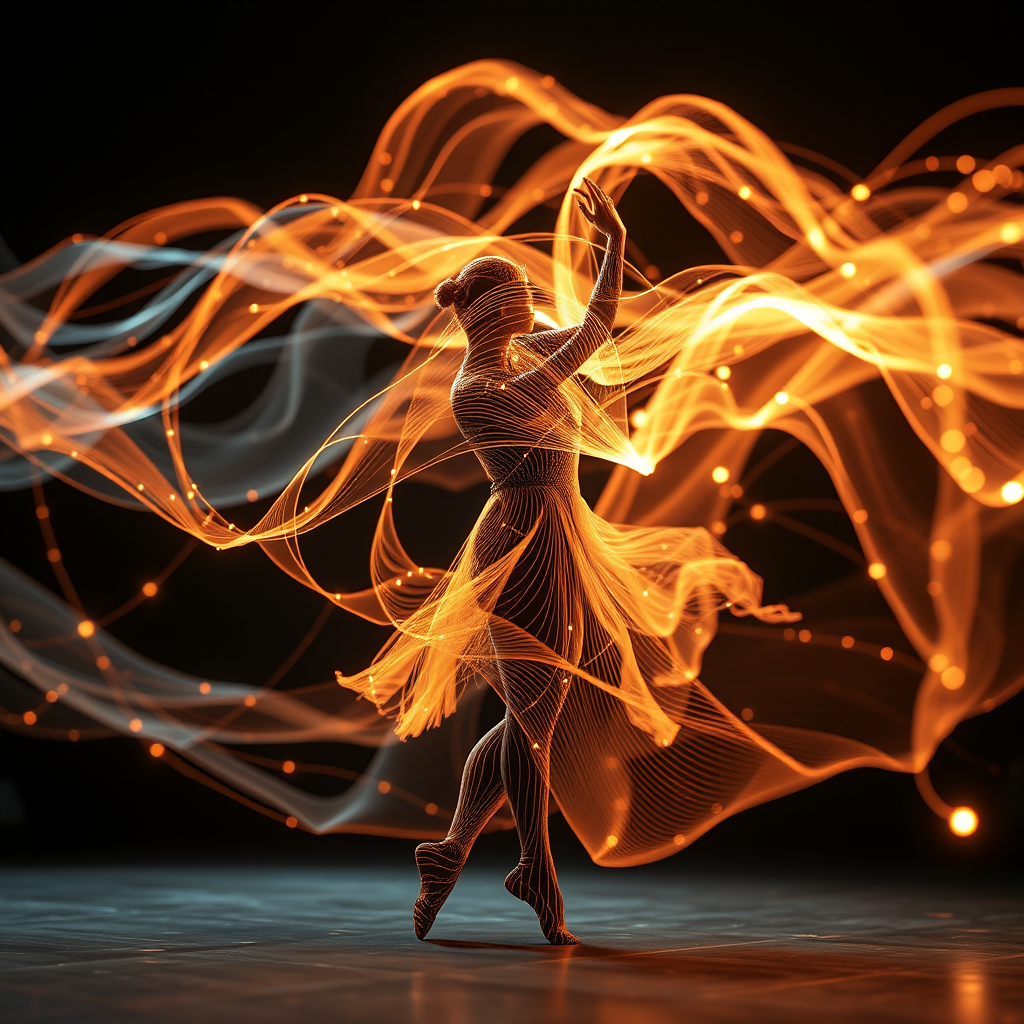
In the intersection of artificial intelligence and human expression, a fascinating challenge emerges: teaching machines to understand the nuanced language of dance. This silent creation process reveals the complexity of translating physical poetry into computational understanding.
The Neural Architecture of Movement
Modern AI systems approach dance analysis through sophisticated neural choreography, breaking down movement into quantifiable data points. These systems must process not just the mechanical aspects of motion—joint angles, velocity, spatial relationships—but also the intangible elements that make dance an art form: rhythm, flow, and emotional resonance.
The computational challenge lies in creating algorithms that can distinguish between a simple gesture and a meaningful movement. Intent-driven visuals emerge from this process, where AI learns to recognize the difference between reaching for an object and reaching toward an emotional climax in a performance.
Capturing the Essence of Expression
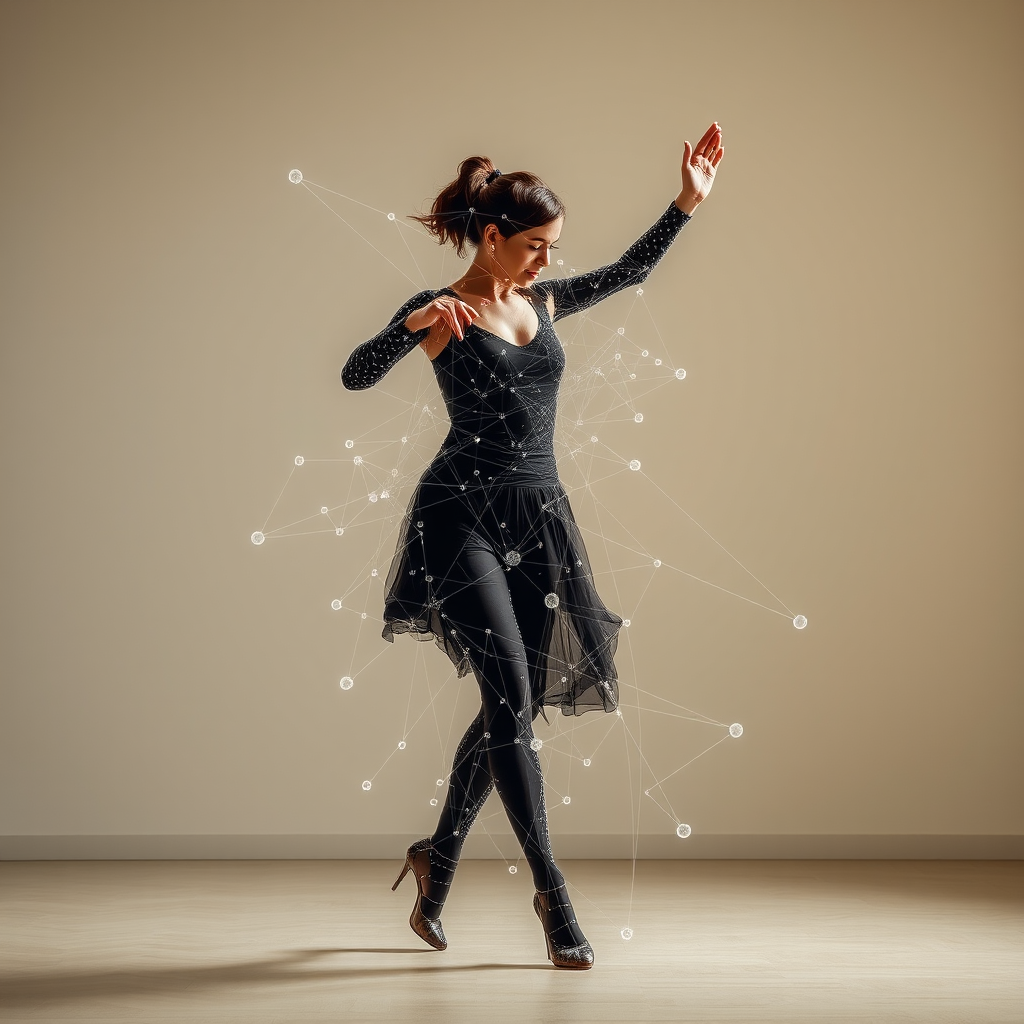
Traditional motion capture technology focuses on precision—recording exact positions and movements with mathematical accuracy. However, AI interpretation of dance requires a more nuanced approach. The system must learn to identify patterns that signify artistic intent, recognizing when a pause carries emotional weight or when a gesture transcends its physical boundaries.
This process involves training neural networks on vast datasets of choreographic works, teaching them to recognize stylistic signatures, cultural contexts, and the subtle variations that distinguish one dancer's interpretation from another. The AI learns to see beyond the surface, identifying the underlying structure that gives dance its meaning.
The Challenge of Emotional Translation
Perhaps the most complex aspect of AI dance interpretation is understanding emotional expression through movement. How does a machine recognize joy in a leap, melancholy in a slow turn, or passion in an extended reach? This requires the development of algorithms that can map physical movements to emotional states, creating a bridge between the quantifiable and the ineffable.
Advanced AI systems now employ multi-layered analysis, combining movement data with contextual information—music tempo, lighting changes, costume colors—to build a more complete understanding of the performance's emotional landscape. This cinematic abstraction allows machines to begin appreciating dance as more than mere movement.
"Teaching AI to understand dance is like teaching it to read poetry written in motion—every gesture carries layers of meaning that extend far beyond its physical execution."
Generative Choreography: AI as Creator
Beyond interpretation, AI systems are now venturing into creative territory, generating original choreographic sequences. These systems analyze thousands of dance performances to understand compositional principles, then create new movements that follow learned patterns while introducing novel variations.
The process involves sophisticated neural choreography algorithms that can generate movement sequences based on musical input, emotional prompts, or stylistic parameters. While these AI-generated dances may lack the lived experience that human choreographers bring to their work, they offer new possibilities for exploration and inspiration.
The Future of Movement Intelligence
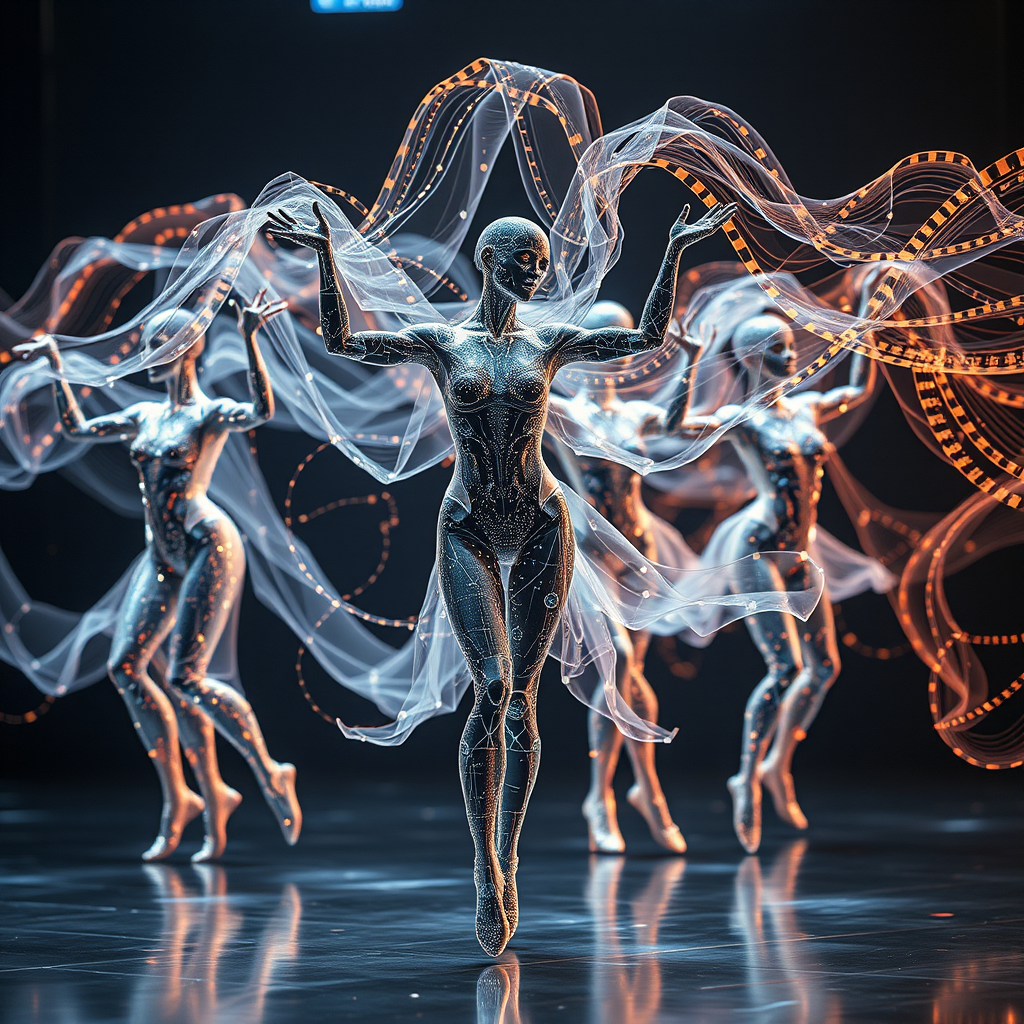
As AI systems become more sophisticated in their understanding of dance, we approach a future where machines might serve as collaborative partners in choreographic creation. These systems could analyze a dancer's style and suggest complementary movements, or help choreographers explore movement possibilities they might not have considered.
The development of movement-intelligent AI also has applications beyond dance, potentially revolutionizing fields like physical therapy, sports training, and human-computer interaction. By learning to read the language of the body, AI systems become more attuned to human needs and intentions.
Yet challenges remain. The subjective nature of artistic expression means that AI interpretation of dance will always be one perspective among many. The goal is not to replace human understanding but to augment it, creating new tools for analysis, creation, and appreciation of this most human of art forms.